Rewiring the Brain: Neurofeedback as an Emerging Tool in Addiction Treatment
Addiction is more than just a series of bad choices or failed attempts at willpower. It’s a complex brain disorder that alters the brain’s reward system, decision-making processes, and emotional regulation. Over time, repeated substance use actually rewires the brain, creating deeply ingrained patterns that drive compulsive behaviors. That’s why lasting recovery often requires more than detox or therapy—it requires retraining the brain itself. One promising approach to do just that is neurofeedback therapy.
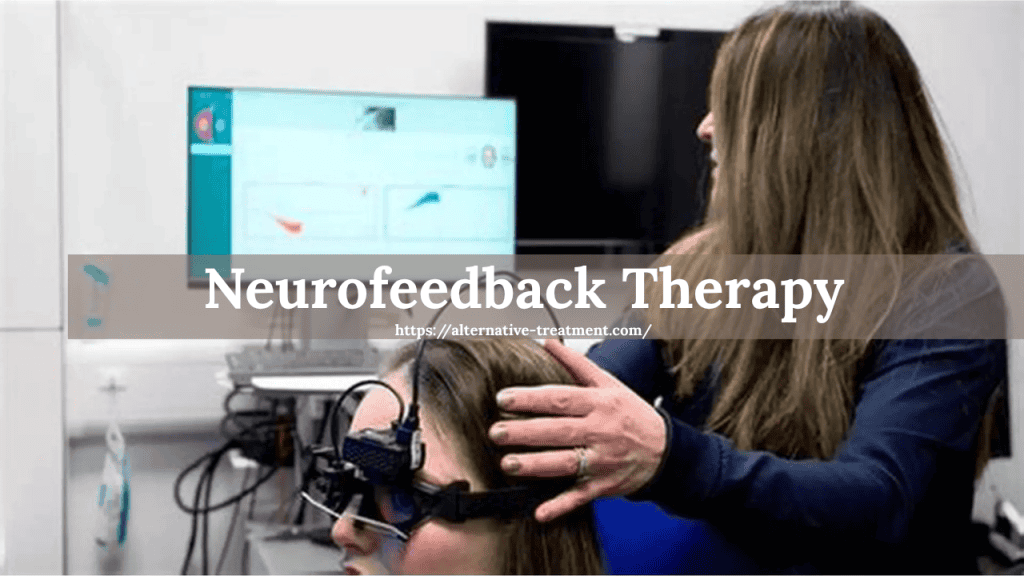
Neurofeedback, also known as EEG biofeedback, is a cutting-edge technique that helps individuals learn how to regulate their own brain activity. Using real-time monitoring of brain waves, neurofeedback trains the brain to shift from unhealthy patterns to healthier, more balanced states. The process is simple but powerful: sensors are placed on the scalp to track brain activity, and the patient receives immediate feedback—usually in the form of visual or auditory cues. When the brain produces desirable patterns, the feedback rewards it, encouraging the brain to adopt new habits.
In the context of addiction treatment, neurofeedback targets some of the key brain functions affected by substance use: impulse control, stress response, emotional regulation, and focus. Many people in recovery struggle with anxiety, depression, insomnia, or trauma, all of which can trigger relapse. Neurofeedback helps regulate the brain’s arousal systems, reducing these symptoms and making long-term sobriety more achievable.
One of the most significant advantages of neurofeedback is that it’s non-invasive and drug-free. Unlike medications, which may carry side effects or trigger concerns for individuals in recovery, neurofeedback works by teaching the brain to heal itself. Over time, individuals can literally retrain their brains to function more optimally, improving mood, sleep, and concentration—all common challenges in early sobriety.
Scientific studies are beginning to support these claims. Research has shown that neurofeedback can help reduce cravings, improve cognitive function, and lower relapse rates in individuals recovering from substance use disorders. In particular, protocols that train the prefrontal cortex—the part of the brain responsible for decision-making and impulse control—have shown promise in helping patients manage triggers and stress.
Neurofeedback also addresses one of addiction’s most persistent problems: the “stuck” patterns in the brain that make change difficult. By providing real-time feedback, the therapy helps individuals break free from old neural pathways and build new, healthier ones—literally rewiring the brain for recovery.
Of course, neurofeedback is not a silver bullet. It works best as part of a comprehensive recovery plan that includes therapy, support groups, and lifestyle changes. But as more treatment centers integrate this technology into their programs, neurofeedback is gaining recognition as a valuable tool for those who’ve struggled with repeated relapses or treatment-resistant addiction.
In a world where addiction continues to challenge both science and society, neurofeedback offers a new frontier of hope. By helping the brain relearn balance, focus, and calm, it gives individuals in recovery a chance to rebuild not just their lives, but their minds—one session at a time.